
SMS campaigns: the message people read in the next five minutes
Which is exactly why it is the easiest channel to ruin. Texting your customers is a privilege with federal rules attached — and used properly, for the handful of things that are genuinely time-bound, nothing else comes close.
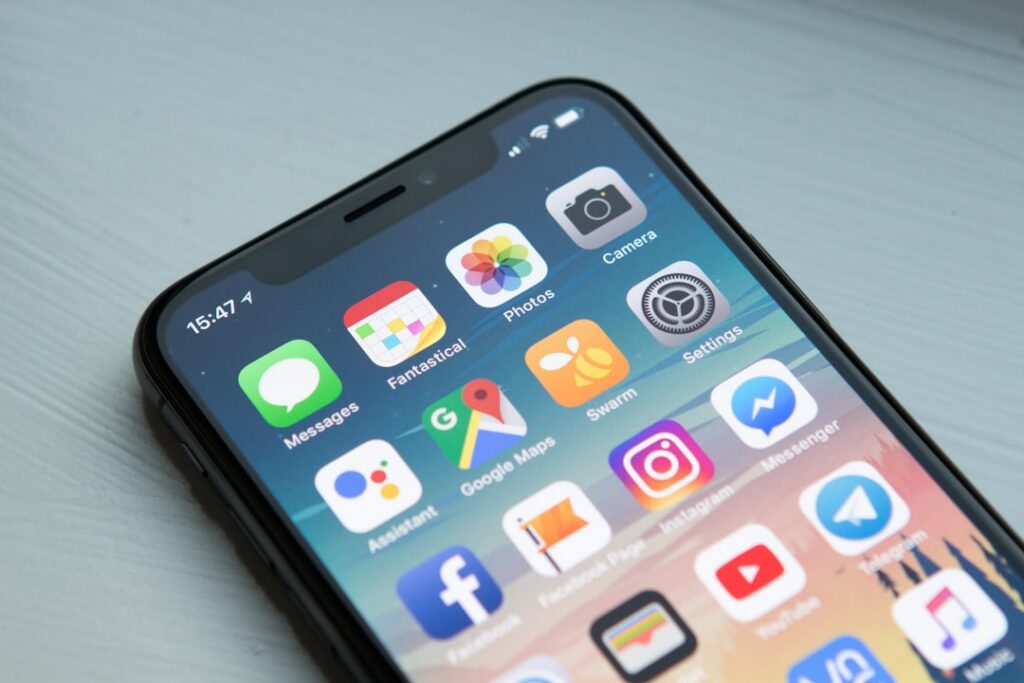
A text is the loudest thing you can do, so it had better be worth saying
Email waits politely in a pile. A social post hopes to be scrolled past slowly. A text message goes off in somebody’s pocket, in the middle of whatever they were doing, and gets looked at almost immediately. That is the whole value of the channel, and the whole danger of it.
It is the right tool for a short list of things. Something closing tonight. A cancellation you can fill this afternoon. A weather closure, a delivery window, an appointment tomorrow morning, a table that just came free. Anything where the value collapses if the person reads it on Thursday instead of now.
It is the wrong tool for almost everything else. Your monthly update is a newsletter. Your new logo is a social post. A text that could have waited a week does more damage than it looks like — not because anyone complains, but because the next one gets ignored, and the one after that gets a STOP.
And there are actual laws, not just etiquette. Marketing texts in the United States require written consent, respect quiet hours, have to stop when somebody asks in any reasonable way, and can only be sent from a phone number registered with the carriers. Statutory damages start at $500 per message. This is a channel where the compliance is the service.
Six ways a text campaign turns into a problem.
Every one of these is something we have been asked to do, and every one of them is something we have talked a client out of.
Texting everyone whose number you have
A phone number on an invoice is not permission to advertise to it. Marketing texts need consent that was given knowingly and can be evidenced later — and “they are a customer” is not that.
Sending it at ten at night
Marketing messages are restricted to 8am until 9pm in the recipient’s local time. It is also the single fastest way to convert a happy customer into somebody who never wants to hear from you again.
Only listening for the word STOP
People reply “quit”, “cancel”, “take me off this”, or just call and ask. All of those count as revoking consent, and a system that only recognises one magic word is not compliant.
Sending from an unregistered number
Business texting on a normal ten-digit number now requires registration with the carriers. Unregistered traffic has been blocked outright since early 2025 — so the campaign simply never arrives, and nobody tells you.
Sending too often, because it worked once
The first campaign does well, so the second follows a week later, and the third. Opt-outs climb quietly, the list shrinks permanently, and the channel you were saving for genuine emergencies is spent.
Texting something an email would have done
A newsletter, a company update, an award. Interrupting somebody’s evening for news that could have waited teaches them that your texts are not urgent — which is the only thing your texts have going for them.
Six steps, and the first two are the whole job.
Sending a text is trivial. Being allowed to, being able to prove it, and actually arriving is the work — and it happens before a single message goes out.
-
01
We work out who you are actually allowed to text
We go through where every number came from and what the person was told when they gave it. Numbers with no defensible consent do not get messaged — and if that is most of your list, we will tell you that on day one rather than after you have paid for a campaign.
-
02
We register you with the carriers
Your business gets registered under its legal name and EIN, and each type of campaign is registered separately with sample messages and your opt-in wording. It takes a few days and there is nothing clever about it, but skip it and your messages are simply blocked.
-
03
We build a way for people to opt in properly
A checkbox on your website form, a keyword on your counter signage, a line on the booking confirmation — each with the disclosure the rules require, and each recording when and where consent was given. This is what turns a pile of phone numbers into a list you can actually use.
-
04
We decide what is genuinely worth a text
Together we write down the short list of things that earn an interruption for your business, and the longer list of things that do not. That document is what protects the channel in month eight, when somebody has a bright idea on a slow Tuesday.
-
05
We write it short and send it at a civilised hour
Your name at the front so they know instantly who it is, one clear thing to do, a link if there is somewhere to go, and opt-out wording. Scheduled inside quiet hours automatically, and segmented so the offer only goes to people it could plausibly interest.
-
06
We watch the opt-outs as closely as the wins
Delivery, replies, clicks and what happened afterwards — but the number we actually manage the programme by is how many people left. A campaign that sold well and cost you four percent of the list was not a success, and we will say so.
Everything in the plan, and everything that isn’t.
Setup is quoted once; campaigns are quoted on how many you actually want to send, plus the per-message cost of the messages themselves.
In the plan
- A review of every number you hold and where its consent came from
- Carrier registration for your business and for each campaign type you run
- Opt-in wording written to meet the disclosure requirements, for your forms, signage and receipts
- Website sign-up and keyword opt-in set up and tested
- Automatic opt-out handling that recognises far more than the word STOP
- Quiet-hours scheduling, so nothing can go out at the wrong time by accident
- Every campaign written, segmented, scheduled and sent
- Replies routed somewhere a human will actually see them
- Time-triggered messages where they help — appointment reminders, follow-ups
- A written agreement on what does and does not deserve a text at your business
- A report after every send, with opt-outs given equal billing to the good news
- We will not text a list you cannot account for, whatever the campaign is worth. That one is not negotiable.
- We are not lawyers and none of this is legal advice. We follow the published rules carefully; your own counsel is your own counsel.
- SMS will not grow your audience. It only reaches people who already gave you a number — new customers come from advertising and SEO.
- It is not a cheaper newsletter. If what you have to say is not time-critical, it belongs in a newsletter and we will tell you so.
- Some industries cannot be registered for business texting at all. If yours is one of them, you will hear that before you spend anything.
- We will refuse campaigns. Occasionally the honest answer is that the idea is not worth the opt-outs it would cost you.
What the law actually requires, in plain English.
Most businesses have never been told any of this, which is precisely why so many of them are quietly breaking it. Here is the whole of it, without the legalese.
Consent has to be in writing, and specific
Before you can send marketing texts, the person has to agree in writing to receive them — a ticked box they ticked themselves, a keyword they texted in, a signed form. The disclosure has to name you, say what they will get, note that message and data rates may apply, and make clear that agreeing is not a condition of buying anything.
You have to be able to prove it later
Consent you cannot evidence is consent you do not have. What matters is a record of when it was given, where, and exactly what wording the person agreed to — kept for as long as you are messaging them, and afterwards.
Any reasonable “stop” counts as stop
Not just STOP. Quit, cancel, unsubscribe, revoke, end, opt out, or somebody simply replying in plain words — all of it revokes consent. You may send one confirmation, within five minutes, containing nothing promotional. A broader rule is coming too: from 31 January 2027, an opt-out from one kind of message will apply to everything else you send that person as well.
Your number has to be registered
Business messaging over ordinary ten-digit numbers requires registering your brand — legal name and EIN, matched against IRS records — and then each campaign, with sample messages and your opt-in process. Carriers have blocked unregistered traffic since early 2025.
Some content is off the table
The carriers restrict messaging about alcohol, tobacco and vaping, firearms, adult content and anything hateful, with age-gating required in the cases that are allowed at all. A few sectors cannot get registered for marketing messages in the first place.
Say who you are, every time
Every message identifies your business, and marketing messages carry opt-out instructions. A text from an unidentified number reads as a scam in 2026, which costs you more in ignored messages than the rule ever costs you in characters.
We follow these because they are the rules, and because a business that follows them keeps a list worth texting. None of the above is legal advice — if your situation is unusual, talk to your attorney and we will happily work to whatever they tell you.
What we send on, and why it sits beside your email
We send on Brevo, the same platform your newsletter runs on and the one we use for our own messaging. That is deliberate: one contact record per customer, with their email consent and their texting consent held separately on the same person, so nobody ends up being texted because they once subscribed to a newsletter.
It handles scheduling, segmentation, automatic opt-out processing, replies coming back into an inbox a human reads, and reporting across text and email side by side. Messages are bought as credits rather than by monthly subscription, so a business that sends four genuinely useful campaigns a year is not paying for a platform it barely touches.
The same thing we say about every tool we resell. We review what we put clients on. If a different platform ever serves you better we will tell you why, we will move you, and your contacts and consent records come with you. What you are buying here was never the software anyway — it is somebody keeping the registration current, watching the opt-out rate, and occasionally telling you no.
And a word on the other kind of text you might send. Asking a customer for a review by text is a different job with a different tool, and it lives on our review management page. If review requests are what you were actually after, start there — you may not need this at all.
Questions? We’ve got answers.
Still curious? Give us a call — we don’t bite.
For marketing, generally not — and this is the answer people least want to hear. A number given so you could call about a job is not agreement to receive offers. Service messages about work you are actually doing for them sit on a much softer footing; promotional texts need real written consent. The good news is that customers who like you opt in readily when you ask, so the fix is usually one season of asking rather than a dead end.
Registration is usually a few business days for the business itself and a few more for each campaign type, assuming your details match your IRS records exactly — mismatches are the usual cause of a rejection. Building a list of people who have properly opted in takes longer, and that is the real timeline. Plan on weeks before the first send, not days, and be suspicious of anyone who promises otherwise.
For most local businesses, a promotional text more than once or twice a month is pushing it, and plenty of our clients send four or five a year and do very well out of it. The honest test is not a number — it is whether the person receiving it would agree it was worth the interruption. Service messages they are expecting, like an appointment reminder, are a different thing entirely and do not count against that budget.
Messages are bought as credits and priced per message, so the cost of a send scales with the size of your list rather than sitting on your bill every month whether you use it or not. Long messages split into more than one credit, which is another reason to keep them short. We quote the setup and the campaign work separately from the message cost, so you can see exactly which part is us and which part is the carriers.
They will if there is a reason. “Get our newsletter by text” gets nobody. “Text JOIN to hear about cancellations the same day they happen” gets the people who genuinely want that, which is exactly the list you want. Being specific about what they will receive is both a legal requirement and the thing that makes the sign-up work, which is a rare and pleasant overlap.
People do reply, which surprises businesses the first time. Opt-out words are handled automatically and instantly. Everything else lands in an inbox that a person at your business can see and answer, because a customer who texts back “can you come Thursday?” and gets silence is worse off than if you had never messaged them. We set up where those go before the first campaign, not after.
No, and it is worth being clear about. A review request goes to one customer after one job, from the system that also collects and manages the reviews — that is review management. This page is about campaigns sent to a list. Some clients run both, plenty run only one, and if review requests are all you actually wanted then that is the cheaper and simpler place to start.
Then you will hear it from us before you have spent anything, and we will point you at the channels that are open to you instead. Carriers keep their own list of sectors they will not carry marketing messages for, and a few more are allowed only with age-gating. It is not our rule and we cannot argue you around it — but there is almost always a route to the same customers through email or advertising.